Buy hosting.co.at ?
We are moving the project
hosting.co.at .
Are you interested in purchasing the domain
hosting.co.at ?
domain@kv-gmbh.de · 0541-91531010
Buy hosting.co.at ?
How to create a titration curve of a conductivity titration?
To create a titration curve of a conductivity titration, you would first need to set up your titration apparatus with a conductivity meter. Begin by measuring the initial conductivity of the solution being titrated. As you add titrant incrementally, record the conductivity at each point. Plot the conductivity values against the volume of titrant added to create a titration curve. The curve will typically show a sharp increase in conductivity at the equivalence point, allowing you to determine the endpoint of the titration. **
How does a titration with the degree of titration work?
A titration with the degree of titration works by gradually adding a titrant of known concentration to a solution of the analyte until the reaction between the two is complete. The point at which the reaction is complete is determined by using an indicator or a pH meter. The amount of titrant required to reach this point is used to calculate the concentration of the analyte in the original solution. The degree of titration refers to the extent to which the reaction has progressed and is typically expressed as a percentage. **


Similar search terms for Titration
Top-Angebote
Products related to Titration:
-
MACMILLAN James Herbert Collection 5 Books Set (The Rats, Lair, Domain, Haunted, Fluke)James Herbert The Rats Trilogy Series 5 Books Collection Set - Domain, Lair, The Rats, Hunted, Fluke Domain Part of the Rats trilogy; international bestseller James Herbert's Domain pits man against mutant rats; who are back with a vengeance. The long-dreaded nuclear conflict. The city torn apart; shattered; its people destroyed or mutilated beyond hope. For just a few; survival is possible only beneath the wrecked streets Lair Part of the Rats trilogy; the restless rats return in James Herbert's Lair. The mutant white rat had grown and mated; creating offspring in its own image. They dominated the others; the dark-furred ones; who foraged for food and brought it back to the lair. The Rats It was only when the bones of the first devoured victims were discovered that the true nature and power of these swarming black creatures with their razor sharp teeth and the taste for human blood began to be realized by a panic-stricken city. Hunted James Herbert's Haunted is the first chilling novel in the David Ash trilogy. Three nights of terror at the house called Edbrook. Three nights in which David Ash; there to investigate a haunting; will be victim of horrifying and maleficent games. Fluke International bestseller James Herbert's Fluke follows a stringy mongrel; wandering the streets of the city; driven by a ravenous hunger and hunting a quarry he could not define. But he was something more. Somewhere in the depths of his consciousness was a memory clawing its way to the surface; tormenting him; refusing to let him rest.12,99 £*Shipping: 2,99 £Secure redirect to the provider
-
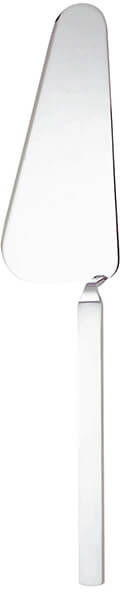
Alessi Dry Cake ServerThe Alessi Dry Cake Server is perfect for easily serving slice of cake, dessert or pie from the dish to a plate. Made from high quality 18/10 stainless steel with a mirror polished finish and a matte finish handle, this cake server is practical and functional, and ideal for everyday use. Dishwasher safe for easy and convenient cleaning. Part of the Alessi Dry collection which can be mixed and matched with other pieces in the range, sold separately.26,25 £*Shipping: 3,50 £Secure redirect to the provider



-
How does titration work?
Titration is a technique used in chemistry to determine the concentration of a specific substance in a solution. It involves slowly adding a solution of known concentration (titrant) to a solution of unknown concentration until the reaction between the two is complete. This is typically indicated by a color change or other observable change. By measuring the volume of titrant required to reach the endpoint, the concentration of the unknown solution can be calculated using stoichiometry. **
-
What is a titration?
A titration is a laboratory technique used to determine the concentration of a specific substance in a solution. It involves slowly adding a solution of known concentration (titrant) to a solution of unknown concentration until the reaction between the two is complete. The point at which the reaction is complete is called the equivalence point, which is used to calculate the concentration of the unknown solution. Titration is commonly used in chemistry for various purposes, such as determining the acidity or alkalinity of a solution. **
-
Can the titration volume be calculated without having performed the titration beforehand?
No, the titration volume cannot be accurately calculated without having performed the titration beforehand. The titration volume is determined by the amount of titrant needed to reach the equivalence point, which can only be determined through the actual titration process. The titration volume is a crucial parameter in determining the concentration of the analyte in the sample, so it is essential to perform the titration to obtain this information accurately. **
-
What does a titration curve look like when no titration is performed?
When no titration is performed, a titration curve would simply be a straight horizontal line at the initial pH of the solution being tested. This is because there would be no addition of titrant to cause any changes in pH. The curve would remain flat and unchanging until a titrant is added to initiate the titration process. **

What is the difference between a pH-metric titration and an indicator titration?
A pH-metric titration involves the use of a pH meter to measure the pH of a solution as a titrant is added to it. This allows for a precise determination of the equivalence point of the titration. On the other hand, an indicator titration uses a chemical indicator that changes color at or near the equivalence point to signal the end of the titration. While pH-metric titrations provide more accurate and precise results, indicator titrations are simpler and more commonly used in introductory chemistry labs. **
What is a conductivity titration?
A conductivity titration is a type of titration that measures the change in electrical conductivity of a solution as a titrant is added. This method is commonly used to determine the endpoint of a titration, as the conductivity of the solution will change as the concentration of ions in the solution changes. Conductivity titrations are often used in the analysis of solutions containing ions, such as determining the concentration of acids, bases, or salts in a solution. **
Top-Angebote
Products related to Titration:
-
Morris & Co by Arthur Price Blackthorn Boxed Cake ServerCombine the beauty of nature and delectable food for timeless sophistication with the Morris & Co by Arthur Price Blackthorn Boxed Cake Server. Carefully designed with beautiful debossed blackthorns on the handle, this cake server is perfect for serving your favourite cake effortlessly. A perfect fusion of heritage design and premium craftsmanship, this cake server features a high-polish stainless steel finish that offers both durability and a radiant mirror shine for classic elegance. Whether you're hosting a formal dinner or enjoying everyday meals, this cake server adds a refined and artistic flair to your tablescape. Made from high quality 18/10 stainless steel, this cake server is designed with durability and longevity in mind. Supplied with a 50 year guarantee. Dishwasher safe. Dimensions: Length: 25.7cm. Weight: 101g.22,05 £*Shipping: 3,50 £Secure redirect to the provider
-
Wise Wizard Games Sorcerer Godforsaken Church Domain Pack - Card Games - NewExpand your Sorcerer game with the Godforsaken Church Domain Pack from Wise Wizard Games. This pack introduces a complete Church Domain deck, designed to add a distinctive, highly aggressive play style to your games. The pack includes the Godforsaken Church domain skill card and 10 cards for your grimoire. Its minions are built around collateral damage, creating effects that can be assigned to opposing minions or the battlefield, adding fresh tactical pressure to every confrontation. This is a domain card pack that requires the Sorcerer tabletop game for play.5,69 £*Shipping: 3,95 £Secure redirect to the provider
-
MACMILLAN James Herbert Collection 5 Books Set (The Rats, Lair, Domain, Haunted, Fluke)James Herbert The Rats Trilogy Series 5 Books Collection Set - Domain, Lair, The Rats, Hunted, Fluke Domain Part of the Rats trilogy; international bestseller James Herbert's Domain pits man against mutant rats; who are back with a vengeance. The long-dreaded nuclear conflict. The city torn apart; shattered; its people destroyed or mutilated beyond hope. For just a few; survival is possible only beneath the wrecked streets Lair Part of the Rats trilogy; the restless rats return in James Herbert's Lair. The mutant white rat had grown and mated; creating offspring in its own image. They dominated the others; the dark-furred ones; who foraged for food and brought it back to the lair. The Rats It was only when the bones of the first devoured victims were discovered that the true nature and power of these swarming black creatures with their razor sharp teeth and the taste for human blood began to be realized by a panic-stricken city. Hunted James Herbert's Haunted is the first chilling novel in the David Ash trilogy. Three nights of terror at the house called Edbrook. Three nights in which David Ash; there to investigate a haunting; will be victim of horrifying and maleficent games. Fluke International bestseller James Herbert's Fluke follows a stringy mongrel; wandering the streets of the city; driven by a ravenous hunger and hunting a quarry he could not define. But he was something more. Somewhere in the depths of his consciousness was a memory clawing its way to the surface; tormenting him; refusing to let him rest.12,99 £*Shipping: 2,99 £Secure redirect to the provider
-
Alessi Dry Cake ServerThe Alessi Dry Cake Server is perfect for easily serving slice of cake, dessert or pie from the dish to a plate. Made from high quality 18/10 stainless steel with a mirror polished finish and a matte finish handle, this cake server is practical and functional, and ideal for everyday use. Dishwasher safe for easy and convenient cleaning. Part of the Alessi Dry collection which can be mixed and matched with other pieces in the range, sold separately.26,25 £*Shipping: 3,50 £Secure redirect to the provider
-
How to create a titration curve of a conductivity titration?
To create a titration curve of a conductivity titration, you would first need to set up your titration apparatus with a conductivity meter. Begin by measuring the initial conductivity of the solution being titrated. As you add titrant incrementally, record the conductivity at each point. Plot the conductivity values against the volume of titrant added to create a titration curve. The curve will typically show a sharp increase in conductivity at the equivalence point, allowing you to determine the endpoint of the titration. **
-
How does a titration with the degree of titration work?
A titration with the degree of titration works by gradually adding a titrant of known concentration to a solution of the analyte until the reaction between the two is complete. The point at which the reaction is complete is determined by using an indicator or a pH meter. The amount of titrant required to reach this point is used to calculate the concentration of the analyte in the original solution. The degree of titration refers to the extent to which the reaction has progressed and is typically expressed as a percentage. **
-
How does titration work?
Titration is a technique used in chemistry to determine the concentration of a specific substance in a solution. It involves slowly adding a solution of known concentration (titrant) to a solution of unknown concentration until the reaction between the two is complete. This is typically indicated by a color change or other observable change. By measuring the volume of titrant required to reach the endpoint, the concentration of the unknown solution can be calculated using stoichiometry. **
-
What is a titration?
A titration is a laboratory technique used to determine the concentration of a specific substance in a solution. It involves slowly adding a solution of known concentration (titrant) to a solution of unknown concentration until the reaction between the two is complete. The point at which the reaction is complete is called the equivalence point, which is used to calculate the concentration of the unknown solution. Titration is commonly used in chemistry for various purposes, such as determining the acidity or alkalinity of a solution. **
Similar search terms for Titration
-
Can the titration volume be calculated without having performed the titration beforehand?
No, the titration volume cannot be accurately calculated without having performed the titration beforehand. The titration volume is determined by the amount of titrant needed to reach the equivalence point, which can only be determined through the actual titration process. The titration volume is a crucial parameter in determining the concentration of the analyte in the sample, so it is essential to perform the titration to obtain this information accurately. **
-
What does a titration curve look like when no titration is performed?
When no titration is performed, a titration curve would simply be a straight horizontal line at the initial pH of the solution being tested. This is because there would be no addition of titrant to cause any changes in pH. The curve would remain flat and unchanging until a titrant is added to initiate the titration process. **
-
What is the difference between a pH-metric titration and an indicator titration?
A pH-metric titration involves the use of a pH meter to measure the pH of a solution as a titrant is added to it. This allows for a precise determination of the equivalence point of the titration. On the other hand, an indicator titration uses a chemical indicator that changes color at or near the equivalence point to signal the end of the titration. While pH-metric titrations provide more accurate and precise results, indicator titrations are simpler and more commonly used in introductory chemistry labs. **
-
What is a conductivity titration?
A conductivity titration is a type of titration that measures the change in electrical conductivity of a solution as a titrant is added. This method is commonly used to determine the endpoint of a titration, as the conductivity of the solution will change as the concentration of ions in the solution changes. Conductivity titrations are often used in the analysis of solutions containing ions, such as determining the concentration of acids, bases, or salts in a solution. **
* All prices are inclusive of VAT and, if applicable, plus shipping costs. The offer information is based on the details provided by the respective shop and is updated through automated processes. Real-time updates do not occur, so deviations can occur in individual cases. ** Note: Parts of this content were created by AI.